

My name is Katie McKnight. I formed Dog Savvy Kids, LLC to help lower the percentage of dog bites people receive. Children and adults will both benefit from the programs we offer.
The goal is to teach children that dogs are wonderful creatures who communicate with us. When we learn the language of dogs, we understand when they enjoy interacting with us and when they need space.
Dogs don’t wake in the morning with the intention of biting someone. They don’t sit on their beds watching and waiting for an opportunity to attack. It’s quite the opposite. Dogs don’t want problems. They just want to live their best life.
Most problems arise when humans interact in a way that causes fear, frustration and stress for a dog. We clearly don’t set out to hurt or upset our dogs. Rather, activities we enjoy sometimes are not well received in the dog world.
Dog Behavior vs Human Behavior
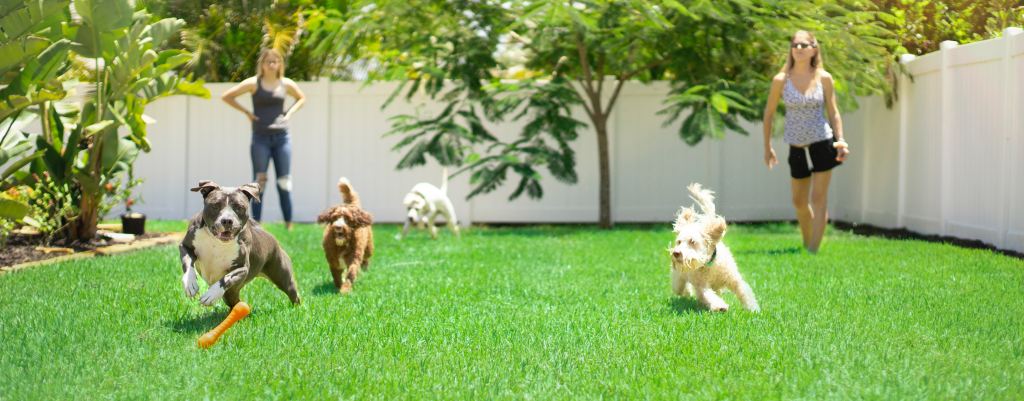
Dogs bite, jump and rough house with one another as a form of play. That is not acceptable behavior when they interact with humans. It is terrifying when a dog races across the yard and jumps or nips at us.
Likewise, humans hug, kiss and approach a dog head on. That behavior displayed between dogs is deemed aggressive and will likely lead to a dog fight.
When humans exhibit this behavior toward dogs, is downright rude and troublesome in a dog’s eyes.While some dogs will tolerate it, because they love you. Others will protect themselves with their mouth.
Kids yell, push, throw things and sometimes hit others when angered. Dogs growl, bark and bite. Dog bites can inflict horrific mental and physical pain for humans. Dog bites also cause dogs to lose their home and possibly their life.
I am aware of a dog owner who kissed his dog goodbye every day on his way out to work. One morning, the one-year-old dog bit the man’s face. Later that day the dog was euthanized.
The owner, who clearly loved his dog, faced two horrific situations that day. The bite to his face and euthanizing his friend. He deemed the dog as unstable. Was the dog unstable or did the dog spend months expressing discomfort through body language and calming signals? I am willing to bet the dog expressed discomfort. Had the man known that dogs communicate discomfort to us, he would have stopped kissing his dog and thereby had a different outcome that day.
I am not placing blame on this dog owner. I am just sad that he was hurt and his dog euthanized because no one taught him about dog communication. It is discussed, but not in detail. This is why I formed dog Savvy Kids.
Getting to Know Our Dogs
Because we understand human behavior, we are able to determine how our loved ones feel without them having to utter a word. When it comes to our dogs, many of us miss cues, don’t pay attention or assume our “good” dogs will never get angry.
Fact: Good people get angry and so do good dogs.
Please read the following question. Then pause to think about it before reading the rest of this article.
How do you know a dog is frightened?
Most people will guess, tail between the legs. A few more possibly envision a dog hiding or shaking.
Would it surprise you to find out that there are actually over a dozen signals that dogs use to indicate fear, stress and anxiety? Those signals often alert us to a problem weeks or months before the tail tucks and the body quivers.
Signs your dog is afraid
Dog Savvy Kids wants you and your family to learn to read dogs, thereby lowering the chance of your dog biting someone. Below we provided signs that indicate fear and stress in dogs.
Pacing – Dogs will pace around the room. If they settle, it will be momentarily. Then the pacing resumes. Which brings us to the next sign.
Inability to settle – If your dog can’t remain still for more than a few seconds, something is not right. A lack of rest can indicate pain or excitement, but it is also a stress indicator.
Panting and salivating – In the absence of exercise and hot weather you may notice your dog panting. While panting can mean a dog is thirsty, it is also a sign of fear, stress and nausea. Most cases of car sickness in dogs are caused by stress and fear.
Sometimes dogs left in crates will pant and salivate. They salivate so much that owners initially mistake the puddle as urine.
Lack of appetite – How many people find their dog doesn’t eat when they are left home alone? That is a sign of stress or fear. When training dogs, a dog may stop accepting treats if training continues for too long, training is performed in too stressful of an environment or when the dog is feeling confused.
Avoids looking at you – People often mistake fear for remorse. In reality, dogs do not feel remorse. When they avoid eye contact and turn their head away from you, it is an appeasement gesture. This appeasement gesture is an attempt to calm the situation. Your dog is actually stressed and begging you to calm down.
Licking of the Lips – When dogs lick their upper lip in the absence of food, they are letting you know the interaction is causing them discomfort.
Yawning – Another common sign that a dog is stressed is yawning. Yes, they may be content with their loved one or tired, but yawning is also a stress indicator.
When you notice your dog yawning, pause and consider the situation. If your dog is nestled by your feet yawning, that may be fatigue or contentment. If you are hugging, kissing, crowding, yelling or demanding your dog to do something, it’s time to give that dog space.
Whale eye – When the whites of the eyes show, your dog is expressing discomfort or fear.
Lowering body – Dogs who are frightened tend to make themselves look smaller. They will walk with their body as close to the ground as their legs allow. This dog is really frightened. You and your children should immediately back off.
Silly behavior – Your dog may get the zoomies (race around at full speed), scratch, sniff, spin, etc. when they are uncomfortable with a situation or when they’ve had enough interaction.
Universal Language
Dogs have a universal language that is understood by other socialized dogs. It doesn’t matter the breed or where in the world the dogs were raised, they understand one another.
Using this universal language with other dogs, allows them to defuse stressful situations and avoid dog fights. That language can also prevent issues between a dog and its human family by understanding what your dog is telling you.
Even my dog, who was born blind, yawns and licks her lips when she is stressed. While she does not see signals from other dogs, which can cause problems for her, she instinctively knows how to speak the canine language.
How can Dog Savvy Kids help you?
Dog Savvy Kids is eager to share our knowledge with your children, so we can lower their risk of a dog bite. We visit schools, home-schooled organizations, scout troops, libraries, summer camps and other places that teach children about animal safety. Please visit our website at dogsavvykids.com to learn more.
When it comes to dogs, together we can teach children when it is safe to play and when they should stay away. In an article I wrote about allowing your new dog to decompress, we discuss giving the dog space. The information in that article is not only good for when dogs are new to the home, it’s a good practice to use throughout a dog’s life.
I am not implying that every dog in the world can be fixed by reading their signals. There are some dogs with significant aggression issues. Those dogs require the help of a certified dog trainer. In most cases, paying attention to your dog’s emotions and signals, can avoid an unpleasant to dangerous situation.
Katie McKnight
Even if you do not have a dog in your home, your child will encounter them. Let Dog Savvy Kids help. Together we can lower the risk of your child suffering a dog bite. We provide presentations for schools, summer camps, home-school associations, Libraries, scout troops and anyplace else that have the well-being of a child in mind.
Dog Savvy Kids also offers online programs for rescues, dog shelters, groomers, vets, dog walkers, expectant parent programs, new parent programs, nursery schools, daycare centers and anyone who strives to keep dogs in homes and avoid dog bites. Visit DogSavvyKids.com to learn more.

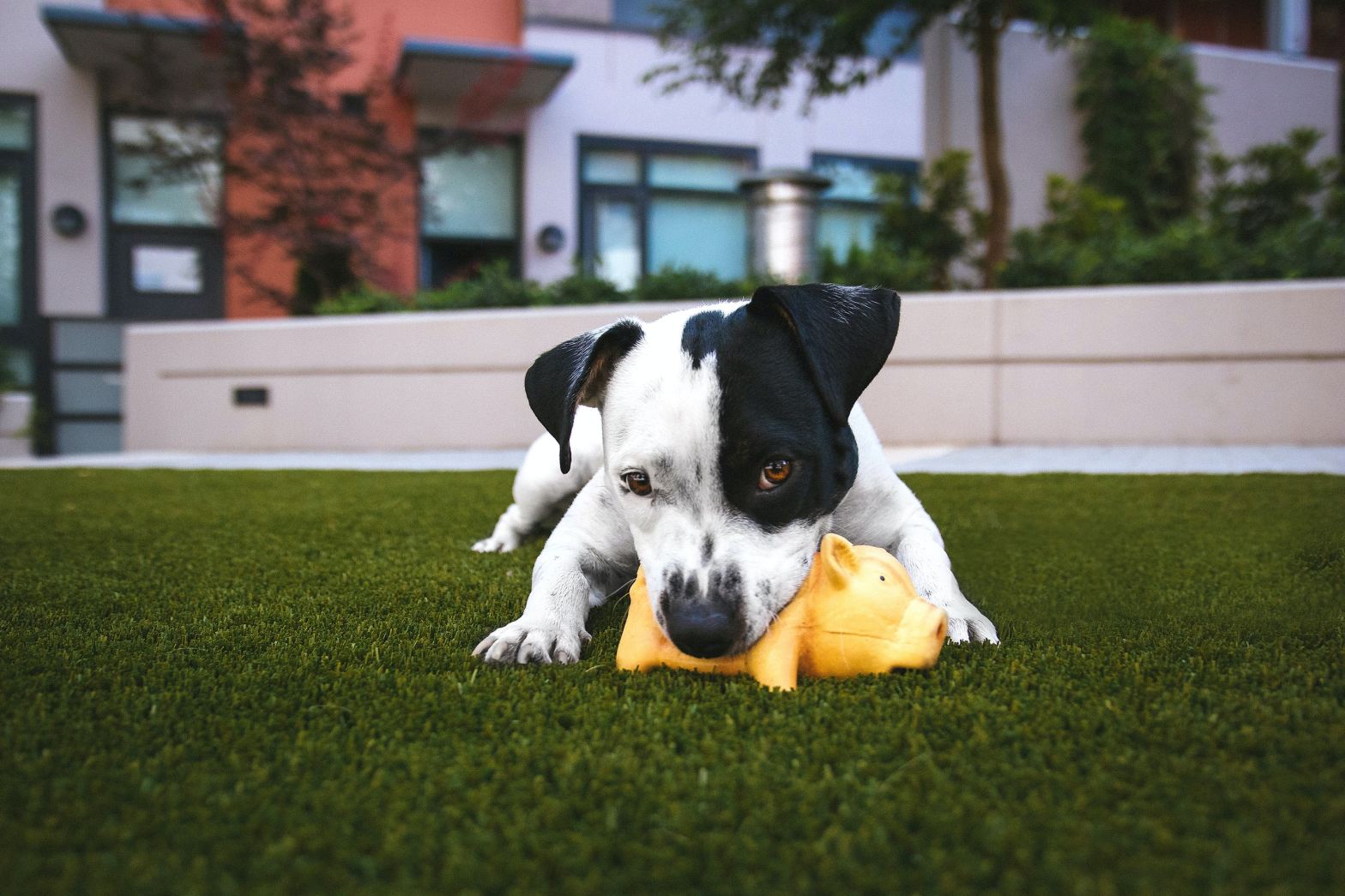
Photo by Justin Veenema

Photo by Anthony Duran
 Dog Savvy Kids