

Dog Savvy Kids teaches kids and adults about dog calming signals. When we recognize canine calming signals, we know when dogs are…
okay to play
and
when to stay away
Most dog bites come from dogs we know. This happens because we aren’t familiar with the language of dogs. Dogs speak to us throughout the entire day. They dance around at meal time and hide when they are frightened or sick. These are the easily recognized emotions.
When it comes to our dog’s emotional state in other situations, we tend to miss the mark. Dogs have subtle ways of letting us know when they are stressed or unsure about a situation. This subtle language is referred as calming signals. A lick of the lips, yawning, averting eye contact, airplane ears and a wrinkled forehead are just a few ways they express discomfort. There are at least thirty calming signals that dogs use.
Calming signals are universally recognized in the dog world. It doesn’t matter what part of the world dogs live in or their breed, socialized dogs communicate using the same language. This universal language prevents disagreements and fights between dogs. Since calming skills are recognized in the canine world, dogs expect that humans will understand it too.
When we fail to respond appropriately, dogs find another way to communicate. That communication tends to come in the form of a growl, bark or bite. This is similar to a parent asking their child to do something. When the child repeatedly ignores the parent’s request, the parent’s voice grows louder and more assertive.
Last week I worked with a dog and his owner in a public space. We’d been working together for six weeks and the dog and I had a good rapport. On this day, the dog appeared a little off, so I refrained from petting or interacting with him. Instead, I commented on the dog’s aloof behavior and instructed the owner from a safe distance.
The owner laughed at my observation and insisted his dog was fine. The tight mouth, facial wrinkles and side-eye action I received from the dog told me a different story. Rather than debating the situation any further, I “showed” the owner by reaching out to pet the dog. I knew what I was doing and took safety precautions first.
When my hand got near the dog’s lower neck, his head swung around in the direction of my hand. He did not snap or growl, but expressed his unhappiness by the fast head movement and in the eyes. Had this been an unsuspecting passerby who reached out, they may have been bitten. All the while the owner assured me the dog was okay.
This dog is uneasy in strange places. Other than walks around the neighborhood, he lacks exposure to public locations. The only time his owner had taken him out of the neighborhood was to visit the groomer and the vet. In the dog’s mind, traveling outside the neighborhood is scary.
If he met you on a walk in his neighborhood, he would likely welcome the attention. We were in a shopping center that he had never frequented before. He was unsure and on high alert. The problem is that his owner did not recognize the dog’s concern. In his mind, the dog was happily taking in all the new sights and smells of this place.
Dog Savvy Kids offers programs that teach children about calming signals and appropriate interactions with dogs. We want them to understand these signs and to respect what the dog is communicating to them. When we listen to dogs, we alleviate canine stress and frustration. In doing so, we lower the risk of receiving a dog bite.
Calming Signal Skill Test
Below we posted a few pictures of dogs. Looking at these pictures, can you and your children tell the difference between a dog who is relaxed, stressed, frightened or happy? If not, give us a call. We provide dog-safety programs in schools, libraries, for scouting troops, home-schooled events and for other organizations who strive to keep kids safe.
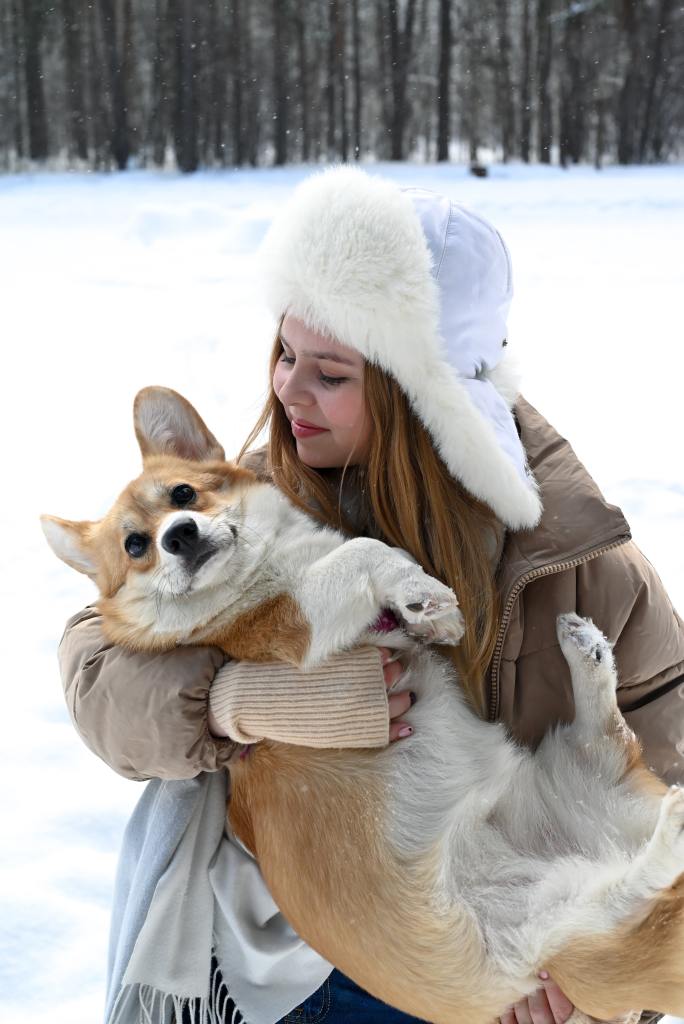
Relaxed or stressed? What are the signs?
Relaxed or Stressed? How do you know?


The dog closest to the camera. Relaxed or stressed? How do you know?
Relaxed or stressed? What are the signs?


Relaxed or stressed? How do you know?
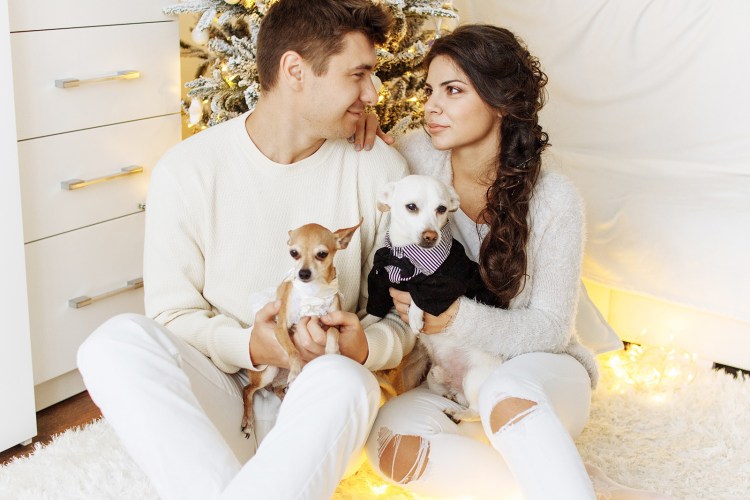
Relaxed or stressed (each dog)? What are the signs?
Answers:
- Stressed. closed mouth, bristled whiskers, wrinkles in face, avoiding eye contact, looking away.
- Stressed. Wide eyes, ears back, mouth pressed tightly closed, stress in forehead, possible sweat marks left by paws
- Stressed. Closed mouth, looking away, eyes wide, increasing space between humans and self, white of eyes showing.
- Relaxed & happy. Relaxed face, relaxed, open mouth, tongue out, smile
- Relaxed & happy. Relaxed, open mouth, smooth face, smile, almond-shaped eyes. Nice ear placement.
- Both dogs look stressed. Tightly closed mouth, ears down (back), averting eyes contact.

Dog Savvy Kids teaches children when it is okay to play and when to stay away. We teach this by explaining body language and calming signals to children. In addition, we teach kids how to properly interact with dog so their bond grows rather than crumbles. Visit us at dogsavvykids.com. Let’s keep kids dog safe.
 Dog Savvy Kids