

Dogs, like humans, experience stress in various situations, and being able to identify these signs is crucial for promoting their well-being. This knowledge can also help prevent the escalation of potentially stressful situations.

In this blog post, we’ll explore 10 signs your dog is stressed, and help you understand canine body language that often accompanies these signs.
What triggers stress in dogs?
Stress in dogs can stem from a multitude of factors. These can include changes in the household environment, exposure to loud noises, conflicts with other animals, the absence of a family member or the onset of illness.
If you notice sudden signs of stress in your dog, consider recent lifestyle changes. Have you recently moved residences, welcomed a new family member or pet, or experienced heightened household tension?
Additionally, factors such as ongoing home renovations or a lapse in veterinary check-ups could contribute to your dog’s distress. Keep in mind that pain, cognitive decline and aging can also play significant roles in your dog’s well-being.
Stress can manifest itself in a few different ways
Prolonged periods of high stress in dogs can be detrimental for your dog. Stress can manifest itself in a few different ways. Those include:
- Increased self-grooming (which includes sniffing or licking their genitals)
- Decreased appetite *
- Decreased physical activity *
- Extremely vocal during interactions with people and other animals
- Elimination problems due to dog’s inability to hold their waste during scary events.
* stress can have the reverse effect too. Some dogs will turn to food to calm themselves while others can become hyper active.
10 signs your dog is stressed
Excessive Panting
Dogs primarily regulate their body temperature through panting. Panting proves particularly effective on hot days or after exercise.

Panting that happens outside of typical situations like exercise or warm weather may signal an underlying issue, including stress. While medical conditions could contribute to abnormal panting, stress is also a potential factor. It’s crucial to observe the circumstances surrounding the panting and consider other indicators of stress to determine its cause.
While the signs mentioned alongside panting in this blog aren’t exhaustive, we’ve included various indicators throughout the post to help elucidate stress signals.
Pacing * shaking * excessive yawning or licking * drooling * tucked tail * changes in eyes and ears * tense muscles * tucked tail * changes in eating and eliminating * abnormal body posture * expressing anal glands.
Trembling or Shaking
Trembling or shaking is another clear indicator of stress in dogs. When a dog feels anxious or frightened, their muscles may tremble or shake involuntarily. This physical response is a result of the body’s natural fight-or-flight response to perceived threats.
You may notice your dog also:
hides * cowers * increased heart rate * refusal to take food * avoides interaction * hypervigilance
Excessive Drooling
Drooling may be an indicator of nausea, but is most commonly noticed when food is present. Excessive drooling can also be a sign that your dog is stressed.
While some dogs may drool more than others due to breed characteristics or health issues, sudden or excessive drooling in response to specific situations or triggers may indicate that your dog is feeling overwhelmed or uncomfortable. Monitor your dog’s drooling behavior and look for other signs of stress to determine the cause.
Some of those signs may include, but are not limited to:
Dilated pupils * blinking rapidly * whale eye (which is when the eyes are wide and the white part of the eye shows * hyperactivity or stillness * teeth chattering * avoiding eye contact * whining or barking.
Avoidance Behavior
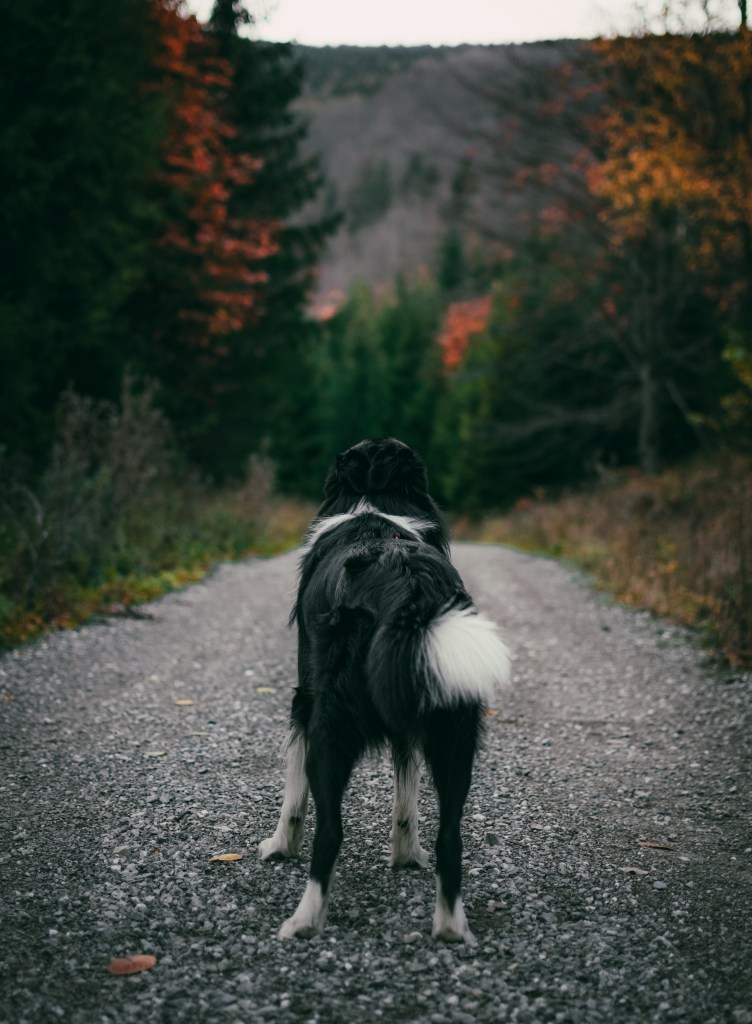
When dogs feel stressed or anxious, they may exhibit avoidance behavior as a coping mechanism. This can include turning their head away while you are speaking to them, moving their body to create distance, or even leaving the area entirely to avoid further interaction or confrontation. When this happens, respect your dog’s need for space and avoid forcing them into situations that make them uncomfortable.
Other signs may include:
squinting * lip flicking * yawning * lowered ears * abnormal stance to appear smaller * lowered or tucked tail * freezing when touched or spoken to
Reduced Appetite
Stress can have a significant impact on a dog’s appetite. While some dogs may stress-eat and exhibit increased appetite in response to certain stressors, others may experience a decrease in appetite or refuse to eat altogether. Monitor your dog’s eating habits and look for changes in appetite that may indicate. underlying stress or anxiety.
Pica is an example of how stress can affect a dog’s appetite. Pica is a condition that may lead your dog to eat non-food items, such as rocks, sticks, rugs, feces, etc. There are some dogs who develop Pica due to stress. These dogs redirect their stress to this abnormal eating behavior.
Please note, that pica is also a sign of certain medical issues.
Excessive Grooming
Excessive grooming, such as licking or chewing on paws, legs, or other body parts, can be a sign of stress in dogs. While grooming is a natural behavior for dogs, excessive or compulsive grooming behaviors may develop as a coping mechanism in response to stress or anxiety. In addition to stress, excessive grooming is also a sign of a medical condition.
Dilated Pupils
Dilated pupils, or wide-eyed expression (whale eye), can indicate that your dog is feeling stressed or anxious. When a dog’s pupils are dilated, it means that their sympathetic nervous system is activated, preparing them for the fight-or-flight response.
Behaviors that may accompany wide-eyed expression include, but are not limited to:
Blowing their coat * barking * shaking * lifting of front paw * nudge owner to move away or pull owner away * freeze * focus on something else * growl * bear teeth * ears tucked or airplane ears * head hanging low * dandruff
Increased Vocalization
Some dogs may vocalize more than usual when they’re feeling stressed or anxious. This can include whining, whimpering, barking, growling or howling in response to specific situations or triggers. While vocalization is a natural form of communication for dogs, excessive or prolonged vocalization may indicate underlying stress or discomfort.
How should you respond to a growling dog? Some may advise punishing the growl, but it’s important to remember that when dogs vocalize, they’re communicating with you, even through growls.
Punishing vocalizations may discourage the dog from communicating in the future, potentially leading to more severe behaviors like biting. Instead, when a dog growls, calmly remove them from the situation and reflect on the circumstances that triggered the growl, making efforts to avoid similar situations in the future.
We also recommend seeking assistance from a certified professional dog trainer to address this issue effectively. Dog Savvy Kids can help you or direct you to a dog trainer in your area.
Changes in Body Posture
Stress can also manifest in changes to your dog’s body posture. A stressed dog may exhibit tense muscles, a lowered body posture, or a hunched back in response to perceived threats or stressors. Pay attention to your dog’s overall body language and look for signs of tension or discomfort.
What can abnormal body posture look like?
Tucked tail * ears flat against the head or sticking out to the side (referred to as airplane ears) * hunching down to look smaller * curling into a tight ball * jumping and barking due to stress * stiff, still body due to fear * fast blinking eyes * expressed anal glands * submissive urination * hyper vigilant * tense muscles (including face and mouth) * curled front leg*
Restlessness or Inability to Settle
While restlessness or the inability to settle can indicate pain, when dogs are feeling stressed or anxious, they may also exhibit this behavior. Your dog may pace back and forth, repeatedly change positions, or have difficulty relaxing and resting comfortably.
Conclusion
Recognizing these 10 signs of stress in your dog is essential for promoting their well-being and ensuring their comfort and happiness.
By paying attention to cues such as excessive panting, trembling or shaking, excessive drooling, avoidance behavior, reduced appetite, excessive grooming, dilated pupils, increased vocalization, changes in body posture, and restlessness, you can better understand your dog’s needs and respond appropriately to alleviate their stress and anxiety.
Remember to always respect your dog’s signals and provide support and reassurance in stressful situations. In doing so, you can achieve a stronger bond and a more relaxed dog.
Read our article on managing your dog’s stress to learn ways to decrease stress and anxiety in your dog.
Live on Long Island, Queens or New York City? Dog Savvy Kids provides safety presentations for children in daycare, nursery school and primary school. We also present for libraries, scouting events and local dog-friendly businesses. Visit Dog Savvy Kids’s website to learn more about our Nassau Bocess approved, in-person programs.
Follow us on social media.
 Dog Savvy Kids