
Have you ever felt the need to just retreat and have some quiet time after a long day?
When I arrive home after a long day of dog training, I sit in my car, lean my head against the headrest and listen to classical music. After around five minutes, I head into my house feeling a little more refreshed. This is my way of decompressing after a long day of fighting New York traffic as I race from one client house to the next.
Dogs are no different. They often need time to decompress away from loved ones and hectic situations.
Understanding the Need for a Quiet Retreat
It is a known fact that dogs thrive on routine and predictability. A dog’s routine is often disrupted in busy households. Since many dogs are sensitive to loud noises, sudden movements and unfamiliar situations, a safe space offers refuge from these stressors, thereby allowing dogs to decompress from high energy and noise levels typically found in homes with children.
When dogs know there is a consistent place for them to go to when they need a break, it enhances the dog’s sense of security, which is crucial for their overall mental health.
Sense of security
A designated safe space, whether it be in a closet, under furniture, in the bath tub, on a dog bed or inside the crate, helps mitigate fear responses.
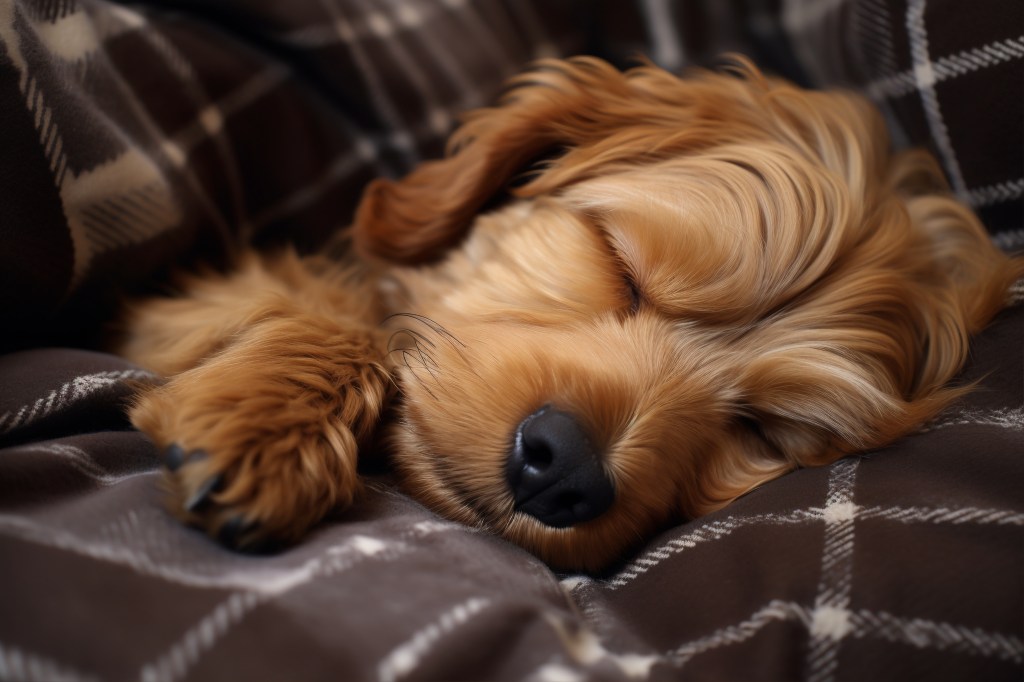
Dogs feel more secure exploring their environment when they know there is a safe place to return to if they become overwhelmed or frightened.
Behavioral Consistency
When dogs are repeatedly exposed to stressful situations and when they lack a safe space, it can negatively affect the dog’s behavior. These dogs tend to bark more due to frustration or anxiety. They also tend to engage in destructive behaviors (chewing, stealing, nipping, etc.). Resting places aid dogs in developing healthier coping mechanisms.
Designated spaces also help dogs learn to self-soothe and regulate their emotions better. Dogs who know how to self-soothe have reduced dependency on external comfort measures. At the same time, when a dog’s needs are met, it fosters trust between them and their owners.
A safe space also provides a more conducive place to sleep. When a dog gets good sleep, their immune system and overall vitality are supported.
Here are tips for creating a quiet space for dogs:
🐶 Choose a spot in a low-traffic area of your home, away from the main living spaces where children play and guests enter. This could be a quiet corner of the room where you and guests hang out or it can be in another part of the house, such as your bedroom.
🐶🐶 Provide a comfortable bed or a crate with soft bedding. The goal is to create an inviting and cozy environment that encourages relaxation.
🐶🐶🐶 Include your dog’s favorite toys, blankets, non-edible bones or other comfort items. Familiar scents and objects will enhance their sense of security in the space.
🐶🐶🐶🐶 Teach your dog to associate the space with positive experiences. Use treats and praise to encourage them to relax in that spot. Over time, they will naturally gravitate to this space when they need a break.
🐶🐶🐶🐶🐶Educate your children about the importance of the dog’s quiet space. Teach them to respect this area and avoid disturbing the dog when they are in that space.
🐶🐶🐶🐶🐶🐶 Incorporate relaxation into your dog’s daily routine. Regular use of their quiet space will reinforce its purpose and benefits.
Conclusion
A dedicated safe space is not just beneficial, it is essential for a dog’s comfort and well-being. It provides a necessary refuge from children playing, guests visiting and other unfamiliar situations, promoting emotional and physical health, reducing stress, and preventing behavioral issues. By respecting and maintaining this space, you contribute significantly to your dog’s overall happiness and health.
Where does your dog retreat when they need alone time? We’d love to know. Share your responses in the comment section.
Learn more about our in-person presentations for children and our upcoming online program that helps families learn to navigate life with a dog and young children. Visit dogsavvykids.com to learn more.
 Dog Savvy Kids